DOCK & DOOR TEC
  • Home
  • About
    • Accreditation
    • Community
    • Our Story
    • Our Team
    • Case Studies
    • Testimonials
    • The Dock & Door Tec Difference
  • Career Opportunities
    • Loading Dock & Door Service Technician
    • Account Manager (Territory TBD - Commercial & Industrial Sales)
  • Services
    • Springless Solutions
    • Enlarged Openings / Concrete Work
    • Facility & Equipment Analysis
    • Fire Door Drop Testing
    • Loading Dock Equipment Installation
    • Loading Dock Repair
    • Proactive Maintenance
    • Service Areas
    • Request Service
  • Equipment
    • Dock Locks (Truck Restraints) >
      • Impact
      • Non-Impact
      • Non-Conventional
      • Wheel Chock Systems
      • Pit Hooks
    • Fans & In-Plant Equipment >
      • HVLS Fans
      • HVHS Fans
      • Trailer l Dock Fans
      • Lifts, Various
      • Vertical Reciprocating Conveyor
      • Mezzanine Platform
    • Industrial / Commercial Doors >
      • High Speed Fabric Doors
      • Security High Speed
      • Rubber Doors
      • Fire Door
      • Rolling Steel
      • Impactable Dock Doors
      • Cooler / Freezer
      • Fabric Roll-Up
      • Impact / Traffic / Bump
      • Overhead / Sectional Doors
      • Operators / Activation
      • Air Curtains / Screen & Bug Doors
      • Strip Doors
      • Door Entrapment Protection
      • Door Protection
      • Overhead Door Upgrades
    • Loading Dock Levelers & Lifts >
      • Hydraulic Levelers
      • Air Powered Levelers
      • Mechanical Levelers
      • Edge of Dock Levelers
      • Cold Storage Telescoping Lip / Vertical Storing & Rail Car Levelers
      • Dock Lifts
      • Dockboards, Dockplates & Dock Ramps
      • Bumpers
    • Loading Dock Seals & Shelters >
      • Dock Seal & L-Pad Seal
      • Soft-Sided & Rigid Shelters
      • Specialty Enclosures
      • Under-Leveler Dock Seal
      • Rain Stops l Canopies
    • OEM & Aftermarket Parts
    • Safety / Energy / Security / Employee Comfort >
      • Energy Saving / Employee Comfort
      • Security Solutions
      • Safety Straps / Barrier Systems
      • Dock Lights & Communication Lights
      • Trailer Stands
    • Yeti Snow Removal
  • Markets
    • Food & Dairy
    • School Districts
    • General Contractors & Architects
  • Blog
  • Contact

Blog

Reducing Energy Loss in Cold Storage Facilities

7/2/2025

 
Cold storage facilities play a critical role in preserving perishable products such as food, pharmaceuticals, and chemicals. However, maintaining consistent low temperatures around the clock demands a tremendous amount of energy. In fact, energy costs typically represent one of the largest operating expenses for cold storage warehouses—often 60% or more of total utility bills.

With rising energy costs and growing environmental concerns, reducing energy loss has become a priority for cold storage operators. Fortunately, there are numerous strategies—ranging from simple operational changes to capital-intensive upgrades—that can significantly cut energy waste and improve efficiency.
Understanding where energy loss occurs:
Before implementing solutions, it is critical to understand where and how energy loss happens in cold storage environments:
  • Air infiltration through poorly sealed doors or damaged door gaskets
  • Heat gain through walls, ceilings, and floors due to insufficient insulation
  • Inefficient refrigeration systems or outdated components
  • Frequent door openings leading to temperature fluctuations 
  • Lighting and equipment that generate heat or draw excessive power
  • Inadequate maintenance reducing system performance over time
 Identifying these vulnerabilities allow facility managers to target the most impactful areas for improvement. 

​In this blog post, we’ll explore the most effective methods to reduce energy loss in cold storage facilities, covering structural improvements, operational best practices, equipment upgrades, and the role of automation and smart technologies.
1. Improving Building Envelope and Insulation
Walls, ceilings, and floors should be equipped with high-quality insulation to reduce thermal transfer. Over time, insulation can degrade due to moisture infiltration or physical damage, leading to diminished R-values.

Best Practices Include:
  • Using polyisocyanurate (PIR) to extruded polystyrene (XPS) insulation with high thermal resistance
  • Ensuring continuous insulation coverage with minimal thermal bridging
  • Apply vapor barriers to prevent moisture intrusion
Doors and loading docks areas are common points of energy leakage. Replacing worn seals, gaskets, or upgrading to high-speed insulated doors can significantly reduce energy loss.
2. Enhancing Door and Dock Operations with Specialized Systems
Energy loss at loading docks and entry points is a major challenge in cold storage facilities. Frequent traffic, prolonged door openings, and poorly sealed interfaces all contribute to thermal exchange and increased refrigeration load.

To mitigate these issues, modern facilities employ a combination of high-speed door systems, customized dock seals or shelters, and automated activation technologies that align with facility workflow.

High-speed and Springless Door Options:
Rapid-open doors - often constructed from insulated fabric or section materials help reduce the duration of air exchange by minimizing open/close time. Some facilities adopt springless counterbalance systems to eliminate concerns with traditional spring mechanisms.

Dock Seals, Shelters, and Air Barriers:
Properly applied and installed dock enclosures, seals and shelters with air curtains provide a barrier against ambient air, helping maintain internal temperatures during frequent access. The dock seal enclosure is meant to seal the various types of trucks and must be designed with truck fleet, present and future in mind. If you have a variety of trucks sizes and types within your fleet or carries, consider dedicating certain docks to certain trucks to provide the most effective and consistent seal.

​Door Activation and Sensor-Based Controls:
Reducing unnecessary door usage can also cut energy waste. This is commonly achieved through motion-activated sensors, timed delay closures, or integration with warehouse operations.

Proactive Maintenance and Lifecycle Management:
Doors and dock equipment in cold environments are exposed to significant wear and stress. Without proper upkeep, issues like damaged seals or misaligned doors can go unnoticed. A proactive maintenance approach ensures these systems operate at peak efficiency and helps preserve cold zone integrity.
3. Optimizing Refrigeration System Performance
Refrigeration systems are the heart of cold storage operations—and often the biggest energy consumers. Optimizing these systems can yield major savings, especially when supported by consistent monitoring and proactive maintenance routines.

Regular Maintenance:
  • Clean condenser and evaporator coils
  • Inspect refrigerant levels
  • Calibrate sensors

​Upgrade to High-Efficiency Units:
Older compressors and chillers consume more energy. Retrofitting with variable speed compressors or EC motors can adapt to load conditions and provide diagnostic insights.

Defrost Optimization:
Use smart defrost systems that trigger only when necessary, reducing unnecessary energy draw.
4. Lighting and Equipment Considerations
LEDs use significantly less energy than traditional lighting and emit less heat, reducing cooling loads.

​Heat-generating equipment such as charging stations should be kept outside of refrigerated zones.
5. Energy-Efficient Practices and Staff Training
Technology alone will not stop energy loss without consistent human effort. Employees must be trained and empowered to follow energy-conscious practices.

Operational Best Practices:
  • Limit door open time.
  • Use staging areas.
  • Monitor and record internal temperatures.

Staff Training:
Ensure all employees understand how their behavior affects energy usage. Training should include proper dock and door operation, identifying leaks, and emergency procedures.

6. Automation and Energy Management Systems (EMS)
Smart technologies offer real-time monitoring and automated control that can drastically improve efficiency—and help reinforce maintenance discipline.

Building Management Systems (BMS):
These systems monitor HVAC, lighting, refrigeration, and door operations. Predictive maintenance alerts can flag anomalies early.

IoT Sensors and Data Analytics:
Tracking temperature, airflow, and energy usage helps enable condition-based maintenance. This approach improves reliability and reduces unnecessary servicing.
7. Incentives and Compliance
Explore opportunities for tax credits, grants, and utility rebates for energy-saving upgrades.

Certifications like ENERGY STAR, LEED, and GFSI benchmarks can help facilities align with sustainability standards and regulatory compliance.
Case Study: Energy Savings from Dock Upgrades
A cold storage operator in the Midwest upgraded its dock area with high-speed doors, properly applied dock seals, and sensor-based access controls.

​Over 12 months, the facility reduced refrigeration energy use by 28%, saving approximately $62,000 annually with a payback period under 3 years.
Conclusion: A Holistic Approach is Key

​Reducing energy loss in cold storage requires a holistic strategy that includes advanced systems, efficient operations, proactive maintenance, and data-driven decision-making. Facilities that invest in these areas not only save on utility costs—they enhance reliability, compliance, and sustainability.

Top 3 Reasons to Consider an External Provider

8/16/2023

 
Picture
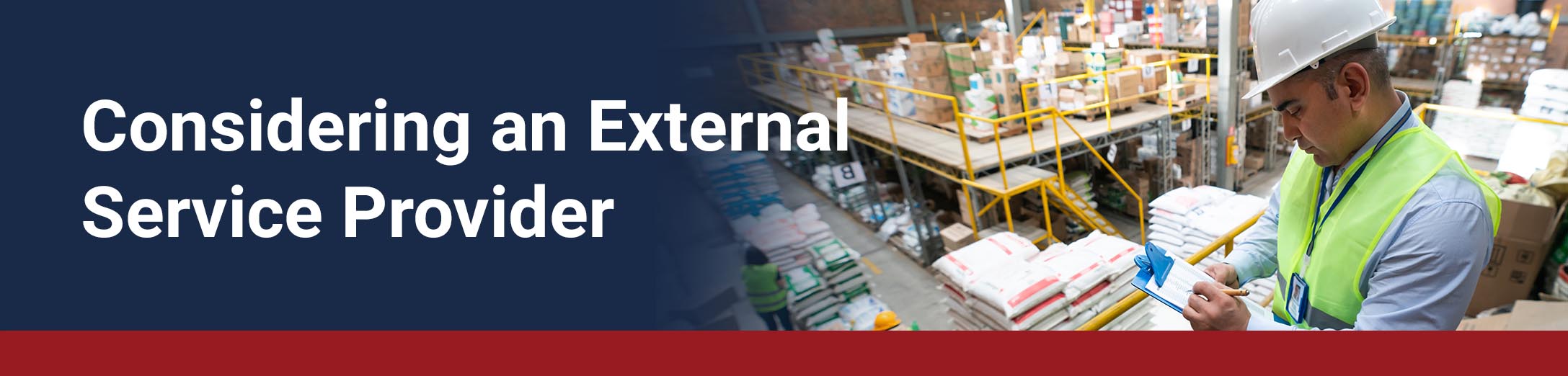
There are several reasons why you should consider an external service provider for your docks and doors, but these are the top 3 that we hear often from our clients:
  1. Expertise: External service providers typically have specialized knowledge and expertise in dock and door maintenance & repair. We have the tools, equipment and experience to quickly diagnose and fix issues. Having an external provider that has the knowledge can help ensure that your docks and doors are operating efficiently and safely. This can also be beneficial as they can partner with your staff to ensure the equipment is being maintained on schedule and make needed repairs.

  2. Cost Savings: When you hire an external service provider, you can save money on labor, equipment, and materials. External service providers can also help you identify potential issues and prevent costly repairs down the road.

  3. Time Savings: External service providers can help you save time by taking care of maintenance and repairs on your behalf. This allows your staff to focus on your core business activities. The external service provider also could be beneficial if you need an emergency service. This ensures that any issues are resolved quickly and minimize downtime at your facility.

In summary, by hiring an external service provider for your docks and doors, you can benefit from our expertise, time and cost savings. This can help improve the efficiency and safety of your operations, while allowing you to focus on your core business activities.

Do you prefer to be Proactive or Reactive?

8/16/2023

 
Picture
Over the past 16+ years we’ve heard many reasons why facility managers view a proactive maintenance program (PMP) as a smart investment.
 
Here’s the top 5 reasons why you should transition from a reactive to a proactive approach when maintaining a top-notch facility:

  1. Cost Savings: A PMP can help identify and prevent equipment failures before they occur, saving you money on costly repairs or replacements. It can also help extend the lifespan of your equipment, reducing the need for frequent replacements.

  2. Improved Equipment Performance: Regular maintenance can help keep your equipment running smoothly, which can lead to improved performance and productivity. Properly maintained equipment is less likely to break down or cause downtime, which can negatively impact your business operations.

  3. Enhanced Safety: Having a PMP can help identify potential safety hazards and prevent accidents, which can result in injuries or property damage. Regular maintenance can ensure that equipment is functioning correctly and safely, reducing the risk of accidents.

  4. Compliance: Certain industries and businesses are required to comply with specific regulations and standards, such as OSHA, AIB, FDA, USDA. A PMP can help ensure that your equipment meets these standards, preventing fines and legal liabilities.

  5. Reduce Surprises: When your equipment is well-maintained, you can rely on it to perform consistently and efficiently. This can improve your reputation among customers and suppliers, as they can trust that you will deliver products and services on time and to the expected quality.

In summary, a PMP can help save money, improve performance, enhance safety, ensure compliance, and increase reliability, making it a valuable investment for any facility.

Can we help you become proactive?

Top 3 Questions we get from Clients

8/14/2023

 
Picture
Based on common sales inquiries, here are the top three questions we receive:
​
  1. How much will it cost?
    As the client, you want to know the cost implications of having to repair or replace before committing to the service. We understand. This question is brought up often and is discussed with your local D&DT account manager who can analyze the specific needs and requirements with you. As a result, this provides a more accurate cost estimate.

  2. How long will the repair or replacement take?
    We’d like to say you decide but the reality is the length of replacement time is dependent on these
    two factors:
    - Product availability
    - Existing commitments
    Thankfully, we are manufacturer agnostic so we may have multiple resources for replacement parts resulting in a reduced wait time.

  3. What is the warranty?
    Warranty is another top question that we receive from clients. They want to ensure that they are protected just in case there are any issues down the road. Manufacturer offered warranties can vary when it comes to the terms and different types of equipment. Dock & Door does provide a lifetime workmanship guarantee; our work will last as long as the product does.

Do you know the 3 biggest safety risks associated with loading docks according to OSHA?

8/14/2023

 
We recently sat down with our OSHA Specialist to learn what their data says about the three biggest safety risks associated with loading docks.
  1. Falls: Loading docks are raised platforms that can be several feet above the ground, and workers can easily fall off the edge, leading to serious injuries or fatalities. Falls can occur when loading or unloading materials, when workers are distracted, or when they fail to use appropriate safety equipment.

  2. Struck-by Accidents: Workers on loading docks are at risk of being struck by forklifts, trucks, or other equipment used for loading and unloading. These accidents can occur when drivers are not paying attention, when loads are not secured properly, or when workers are in the wrong place at the wrong time.

  3. Early Truck Departures: Trucks departing away from the loading dock too early can cause serious injury to your employees. Truck drivers often assume that the unloading process may be complete and pull away too soon. Putting in the safety measures such as lights to communicate with truck drivers will ensure that they know when it is safe to depart from a loading dock and minimize risks at your facility.
​Here's what OSHA recommends to prevent accidents and minimize risks: 
  • Implement safety measures such as providing appropriate PPE (personal protective equipment), training workers on safe practices, and enforcing traffic patterns and other safety rules on the loading dock. 
  • ​Employers should also ensure that workers are properly trained to operate machinery and equipment and that they follow established safety procedures.
<<Previous

    Author

    Various.

    Categories

    All
    Bumpers
    Compliance
    Docks
    Dock Seals & Shelters
    Doors
    Facilities Management
    Facility Modernization
    Fans
    Hydraulic Dock Leveler
    Proactive Maintenance
    Safety
    Warehouse

    Archives

    July 2025
    March 2025
    September 2024
    August 2023
    January 2023
    September 2022
    August 2022
    March 2022
    January 2022
    December 2021
    October 2021
    September 2020
    June 2020
    February 2020
    September 2019
    June 2019
    May 2019
    February 2018
    April 2015
    December 2014
    September 2014
    August 2014
    July 2014
    June 2014
    May 2014
    April 2014
    August 2013
    July 2013
    June 2013
    June 2012

    RSS Feed

Contact Us   l   Privacy Policy   l   Sitemap   l   All Rights Reserved.

Picture
Dock & Door Tec
Serving Minnesota, Wisconsin, Iowa, North Dakota & South Dakota
  • Home
  • About
    • Accreditation
    • Community
    • Our Story
    • Our Team
    • Case Studies
    • Testimonials
    • The Dock & Door Tec Difference
  • Career Opportunities
    • Loading Dock & Door Service Technician
    • Account Manager (Territory TBD - Commercial & Industrial Sales)
  • Services
    • Springless Solutions
    • Enlarged Openings / Concrete Work
    • Facility & Equipment Analysis
    • Fire Door Drop Testing
    • Loading Dock Equipment Installation
    • Loading Dock Repair
    • Proactive Maintenance
    • Service Areas
    • Request Service
  • Equipment
    • Dock Locks (Truck Restraints) >
      • Impact
      • Non-Impact
      • Non-Conventional
      • Wheel Chock Systems
      • Pit Hooks
    • Fans & In-Plant Equipment >
      • HVLS Fans
      • HVHS Fans
      • Trailer l Dock Fans
      • Lifts, Various
      • Vertical Reciprocating Conveyor
      • Mezzanine Platform
    • Industrial / Commercial Doors >
      • High Speed Fabric Doors
      • Security High Speed
      • Rubber Doors
      • Fire Door
      • Rolling Steel
      • Impactable Dock Doors
      • Cooler / Freezer
      • Fabric Roll-Up
      • Impact / Traffic / Bump
      • Overhead / Sectional Doors
      • Operators / Activation
      • Air Curtains / Screen & Bug Doors
      • Strip Doors
      • Door Entrapment Protection
      • Door Protection
      • Overhead Door Upgrades
    • Loading Dock Levelers & Lifts >
      • Hydraulic Levelers
      • Air Powered Levelers
      • Mechanical Levelers
      • Edge of Dock Levelers
      • Cold Storage Telescoping Lip / Vertical Storing & Rail Car Levelers
      • Dock Lifts
      • Dockboards, Dockplates & Dock Ramps
      • Bumpers
    • Loading Dock Seals & Shelters >
      • Dock Seal & L-Pad Seal
      • Soft-Sided & Rigid Shelters
      • Specialty Enclosures
      • Under-Leveler Dock Seal
      • Rain Stops l Canopies
    • OEM & Aftermarket Parts
    • Safety / Energy / Security / Employee Comfort >
      • Energy Saving / Employee Comfort
      • Security Solutions
      • Safety Straps / Barrier Systems
      • Dock Lights & Communication Lights
      • Trailer Stands
    • Yeti Snow Removal
  • Markets
    • Food & Dairy
    • School Districts
    • General Contractors & Architects
  • Blog
  • Contact